SMALL DROPS
Round as a bead
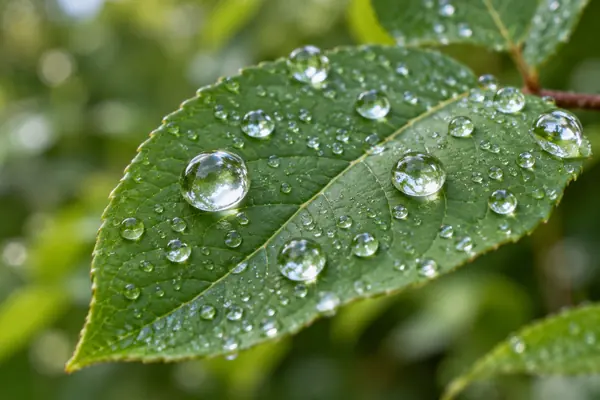
NASA says drops under about 1 mm stay roughly round, because surface tension holds them together more strongly than the air can push.
Pick a drop size doodledrop
00WHAT THE SCIENCE SAYS
The classic drawn raindrop is the wrong shape.
Surface tension pulls a drop round, and the air it falls through pushes its underside flat. NASA and the US Geological Survey explain how size decides which force wins, and why the biggest drops never reach the ground whole.
Pick a drop size01Principles
02THE SHORT ANSWER
Surface tension wins in small drops.
Air pressure wins as drops grow and fall faster.
SMALL DROPS
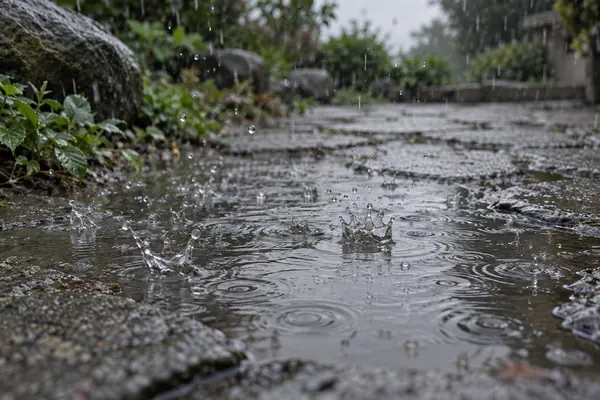
NASA says drops under about 1 mm stay roughly round, because surface tension holds them together more strongly than the air can push.
Pick a drop sizeMEDIUM DROPS
At around 2 to 3 mm, air pushing up on the falling drop flattens its bottom. The top stays rounded, like the top half of a hamburger bun.
See the numbersBIG DROPS
Past about 4.5 mm, a drop is pushed into a parachute shape and breaks into smaller drops. That puts a ceiling on how big a raindrop can get.
Watch for it03A QUICK DROP CHECK
Pick a size to see its shape and how fast it falls. The bar shows the fall speed, from drifting to fast.
Sizes and speeds are approximate, from NASA GPM, the USGS and the University of Wisconsin-Madison's weather team.
04TWO NUMBERS WORTH KNOWING
One figure on the top speed of rain,
one on drops that seem to break the limit.
≈ 10 m/s
Fall speed of the largest drops
NASA says fall speed rises with drop size, reaching about 10 metres per second for the largest drops. Falling from 4,000 metres would take at least 400 seconds, about seven minutes.
TOP SPEED · NASA GPM
30–60%
Tiny 0.3 mm drops falling too fast
Measuring 1.5 million raindrops, researchers found 30 to 60 percent of 0.3 mm drops fell faster than their expected terminal speed. Drops of 0.8 mm and larger fell at expected speeds.
SUPER-TERMINAL DROPS · MICHIGAN TECH
The researchers suggest these super-terminal drops may be fragments broken off larger drops, which would make rain more agitated than expected. The cause is not yet confirmed.
05THREE THINGS TO NOTICE
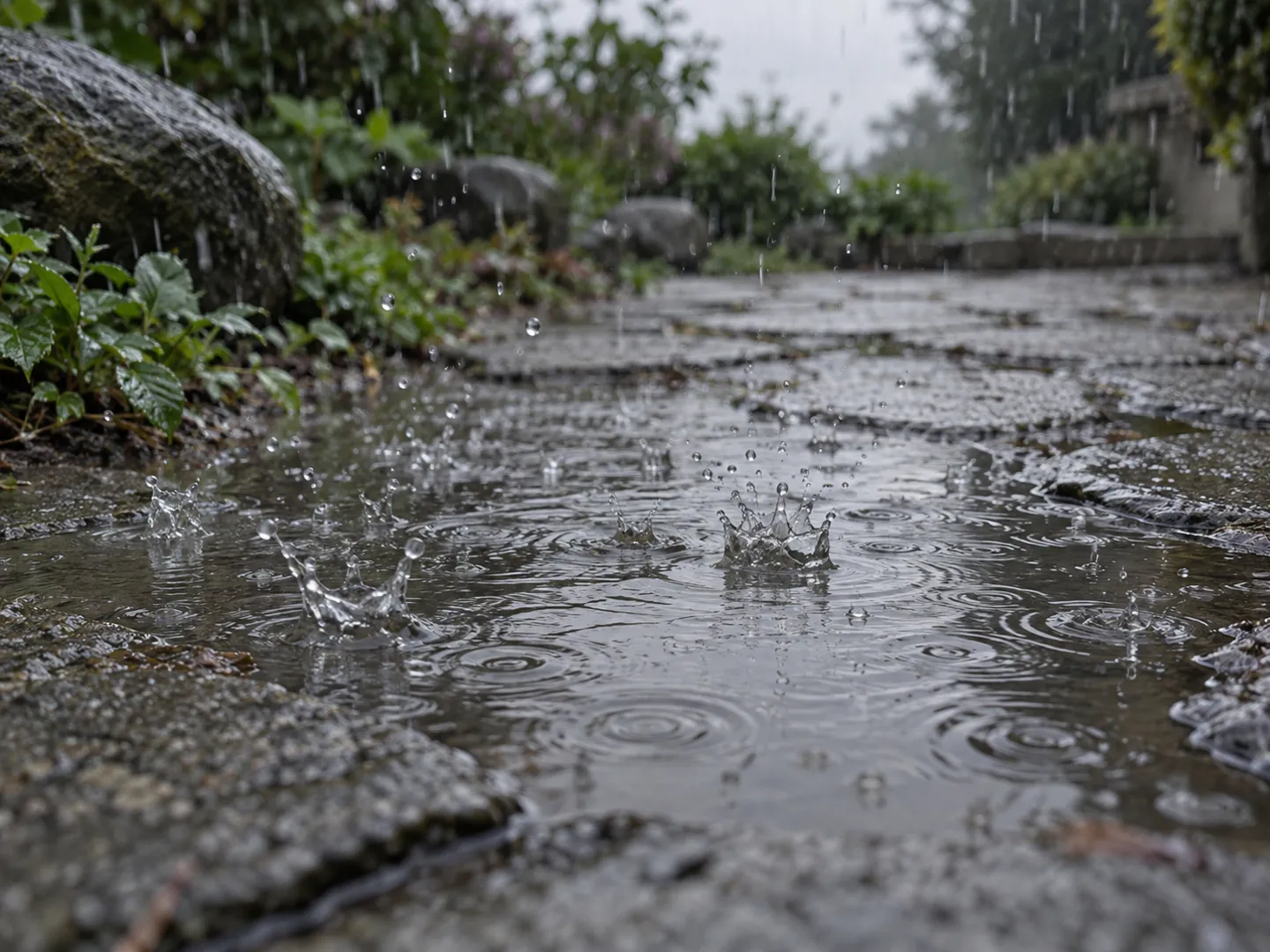
You cannot see a falling drop's shape with the naked eye, but you can see the science at work in everyday rain.
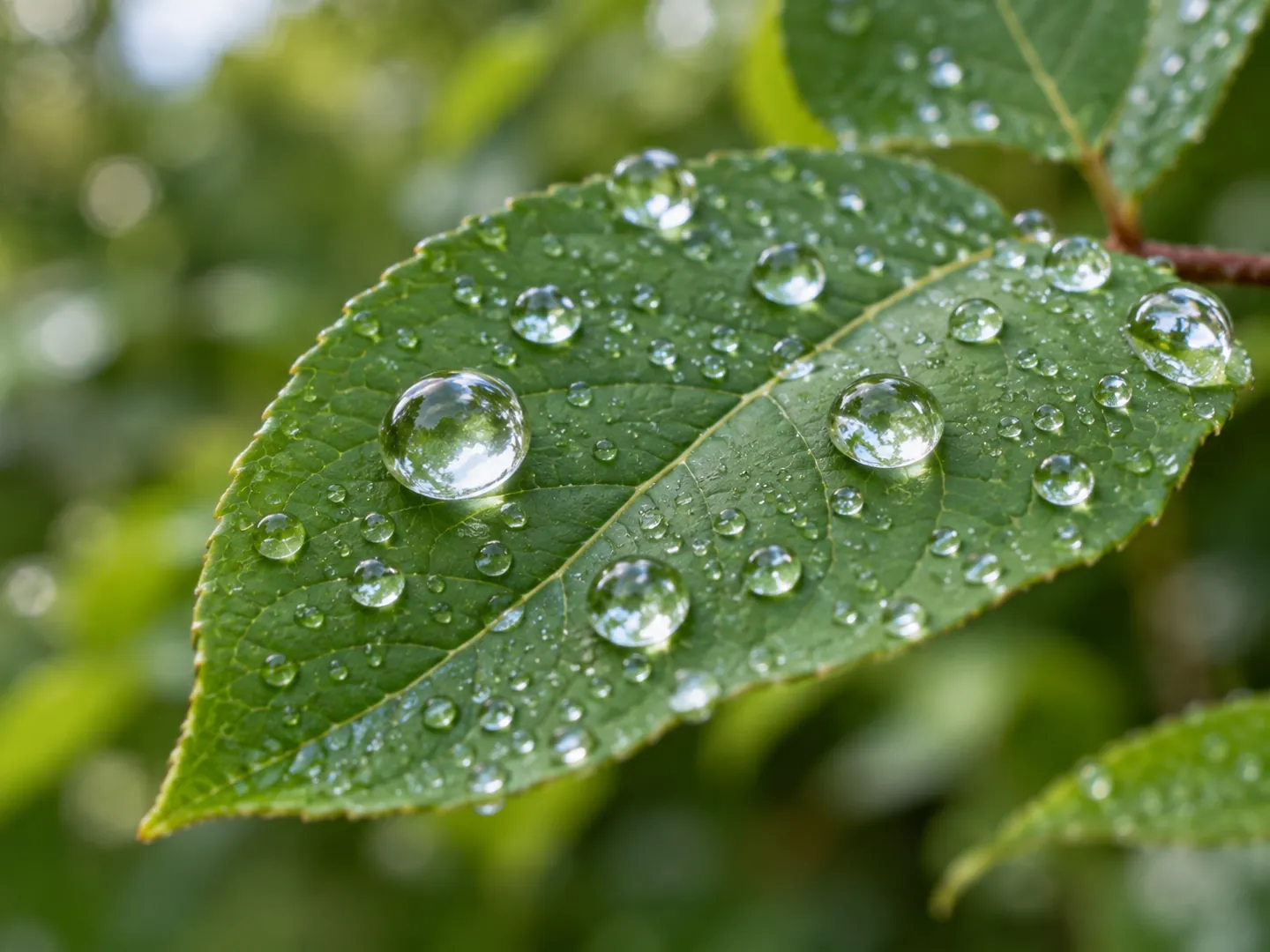
Small beads of water look round. That is surface tension pulling the water into the tightest shape it can.
Drizzle drops are under about 0.5 mm. The largest raindrops fall at about 10 metres per second and can even compact and erode soil.
When you draw rain, a rounded top and a flatter bottom is closer to the real shape of a falling drop than a pointed teardrop.
06WHY IT MATTERS
Knowing the shapes and sizes of drops helps scientists estimate rainfall. NASA explains that more accurate drop measurements improve estimates of global precipitation.
The Global Precipitation Measurement mission's Dual-frequency Precipitation Radar was designed to measure drop sizes layer by layer within clouds, as part of rain and snow data collected worldwide every three hours.
07Questions
It is a convention, not the real shape. The University of Wisconsin-Madison's weather team notes that falling raindrops flatten under air drag, so they are not teardrop shaped.
NASA explains that water molecules bond to each other more strongly than to the air, and that surface tension pulls small drops into a roughly round shape.
NASA says drops larger than about 4.5 mm are distorted into a parachute shape and break into smaller drops. Another NASA page puts the break-up at around 4 mm or more.
Size. The University of Wisconsin-Madison's weather team says raindrops are at least 0.5 mm across, and drizzle drops are smaller than that.
NASA says dust and smoke particles high in clouds give moisture a place to settle and form drops.
08Sources
ABOUT THIS NAME
doodledrop.com is part of the DoodleSale portfolio. It isn't in an auction right now, but you can ask about leasing it.